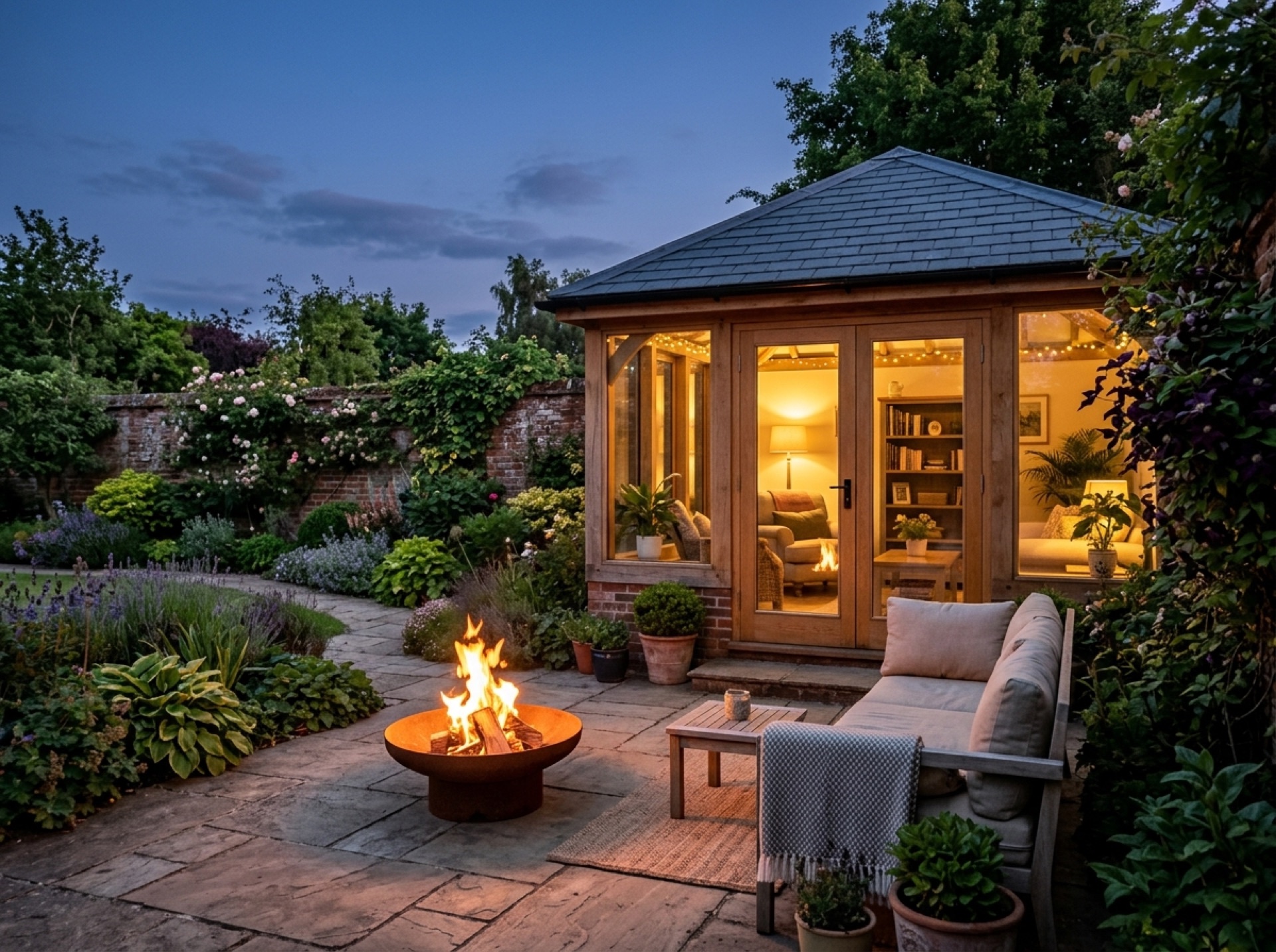
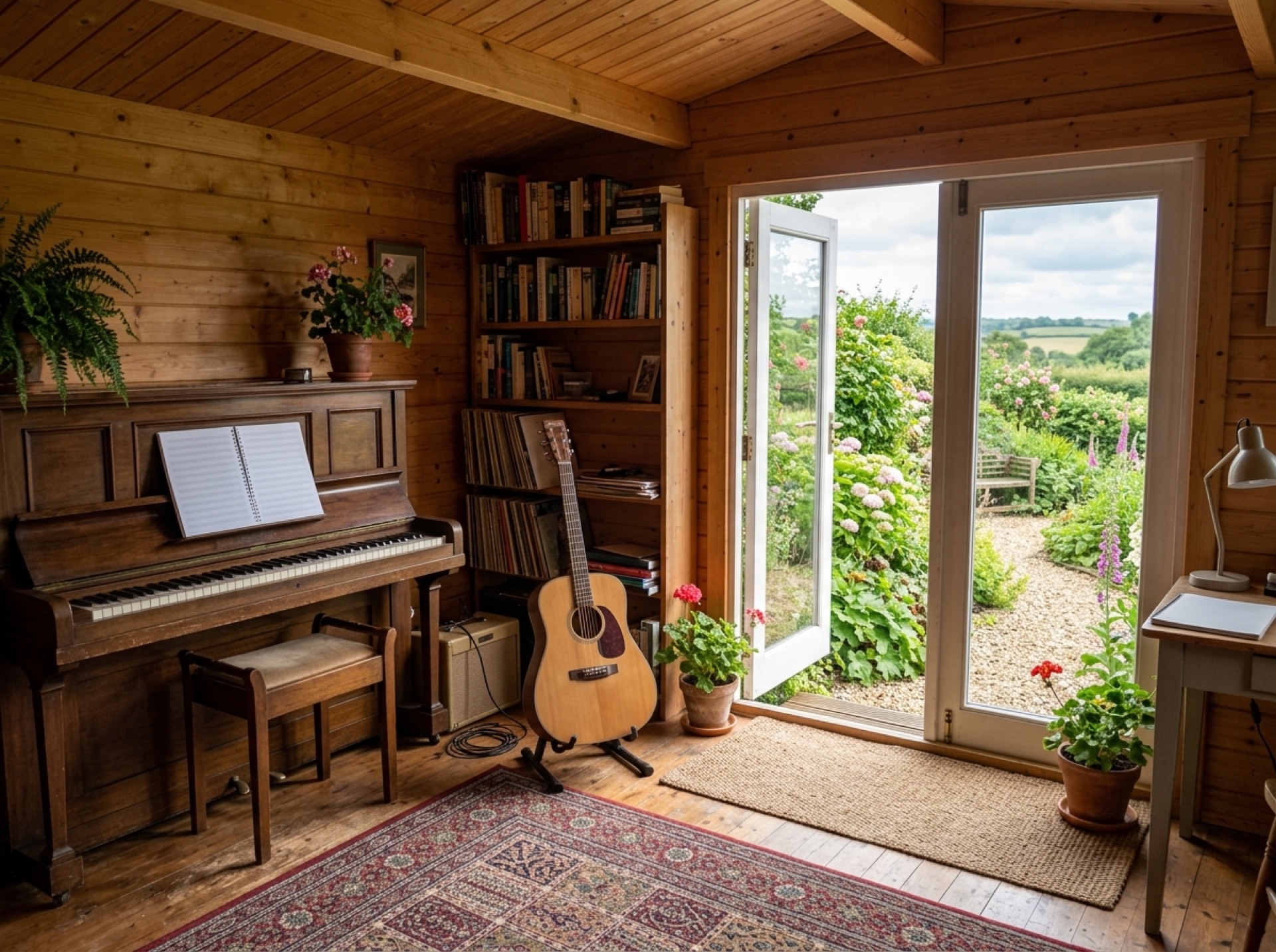
Walls, roof and floor
Heat escapes through all three — walls, roof and floor — so a room that's well insulated in the walls but has a thin floor build-up will still feel cold underfoot. Ask an installer to walk through the build-up for each of the three separately rather than a single blanket claim that the room is 'insulated'.
Roof insulation matters more than people expect, especially on a flat or low-pitched roof, because heat rises and a poorly insulated roof loses warmth fastest of the three surfaces.
Glazing and doors
Large glazed doors make a garden room feel connected to the garden, but glass is the weakest point for heat loss unless it's double- or triple-glazed with a decent frame. A well-sealed door that closes flush against the frame matters as much as the glazing spec itself.
Draughts around doors and cable entry points are a common source of heat loss that has nothing to do with the insulation itself — worth asking how these are sealed during the build.
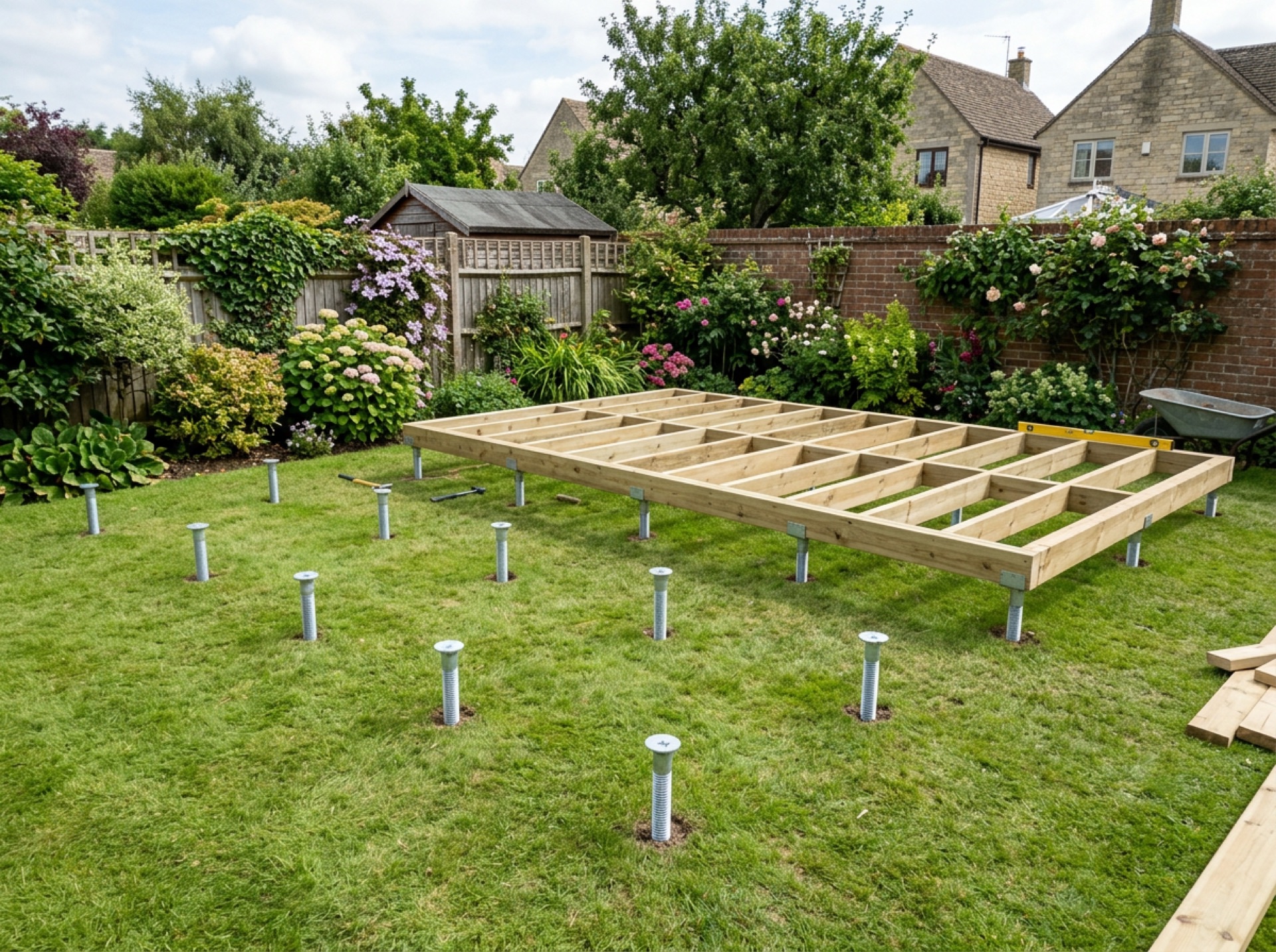
Heating options
A small electric panel heater is the simplest option and suits a room used occasionally. For a room used through a full working day, a more efficient option such as a small air-source heat pump can be more comfortable to run, though it costs more to install upfront.
Underfloor heating is sometimes built into the base itself, which can suit a room where wall space is needed for shelving or a desk run rather than a radiator or panel heater.
Keeping it usable in summer too
Insulation that keeps heat in during winter also helps keep a room cooler in summer, provided there's enough ventilation to let warm air out. Roof-mounted or high-level vents, or a window that opens on the shaded side, make a bigger practical difference in July than most people plan for at the design stage.
Frequently asked questions
Can a garden room be used as a bedroom in winter?+
A well-insulated and heated garden room can be comfortable through winter, but using it as sleeping accommodation raises separate building-regulations and planning questions that are worth discussing directly with the installer and, if needed, the council.
Do garden rooms need building regulations approval?+
It depends on the size and intended use of the room — some fall outside building regulations, others don't. Ask the installer to confirm what applies to your specific build.
What heating costs the least to run in a garden room?+
Running cost depends on the room's size, insulation standard and how often it's used, so it's genuinely different from one build to the next — a written quote should set out what's included and let you compare options directly.
Useful local links
- Test Valley Borough Council — Planning Permission and Pre-Application Advice — The local planning authority for Romsey and most of the surrounding villages covered by this site.
- New Forest District Council — Planning Guidance for Householders — Covers Totton, Testwood and Calmore for planning purposes.
- Southampton City Council — Planning Permission — The separate unitary authority covering the city of Southampton.
- New Forest National Park Authority — Planning — The local planning authority for land within the New Forest National Park, including Copythorne and Newbridge.
- Planning Portal — Outbuildings — National guidance on permitted development for garden buildings.